
When Statistics Replace Souls: Remembering the Lives Behind the Numbers
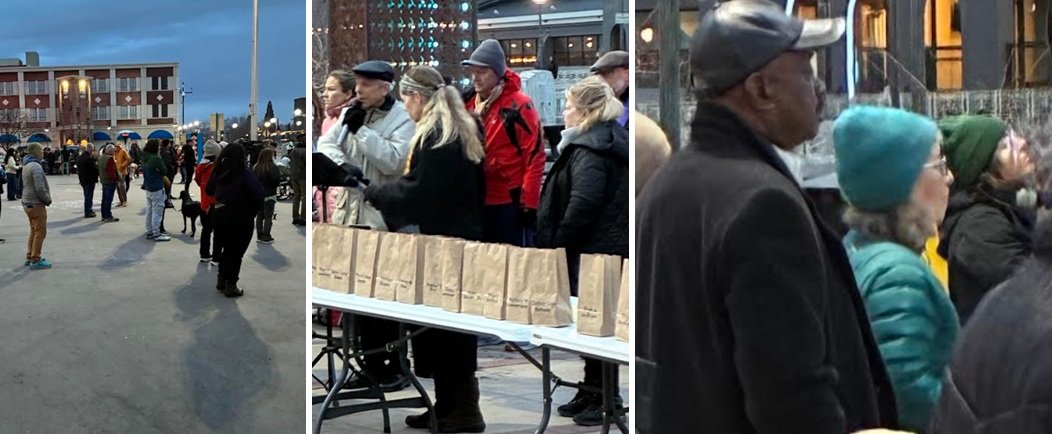
Interesting that former Washoe County Manager Eric Brown was spotted in the crowd at the candlelight vigil.
Commissioner Mike Clark posted the recently released Washoe County annual summary of deaths connected to the emergency shelter campuses, and while the document checked every administrative box — dates, locations, causes, protocols followed — it missed something far more important: humanity.
Seven people died. Not “incidents.” Not “cases.” Not “data points.”
People.
The county’s report reads like a technical manual, heavy on procedure and liability language, light on compassion. We are told how staff are trained, how quickly emergency services are called, and how policies are followed. We are reminded of certifications and quarterly trainings. What we are not reminded of — at least not until the final line — is that these were human beings whose lives ended while experiencing homelessness.
Yes, transparency matters. Yes, operational details have their place. But when a government document speaks of death in the same tone it might use to describe a budget adjustment, something is lost. These were neighbors without permanent addresses, not footnotes in an annual report.
A candlelight vigil is mentioned almost in passing — an acknowledgment that community members gather each year to remember those who passed. That brief reference carries more emotional weight than the rest of the document combined. It hints at what the report could have been: a moment not only of disclosure, but of reflection.
No one is asking for poetry. No one expects an agency report to read like a eulogy. But there is a middle ground between sentimentality and sterility. A sentence or two recognizing the dignity of those lives, the reality of their struggles, or the grief felt by families and outreach workers would not undermine professionalism — it would enhance it.
When a community measures loss purely in numbers, it risks becoming numb to the very problems it is trying to solve. Homelessness is already dehumanizing enough without our official communications reinforcing that distance. The language we choose matters. It shapes how the public perceives both the crisis and the people living within it.
Behind every line item was a story: a childhood somewhere, a favorite song, a skill learned, a job once held, a relationship remembered. We may never know their names, but we should at least acknowledge their humanity.
Transparency should not come at the cost of empathy. Government can report facts and still sound like it remembers these were lives, not liabilities. A community is judged not only by how it manages its systems, but by how it honors its most vulnerable members — especially when they are no longer here to speak for themselves.
To those seven souls … may you rest in peace.
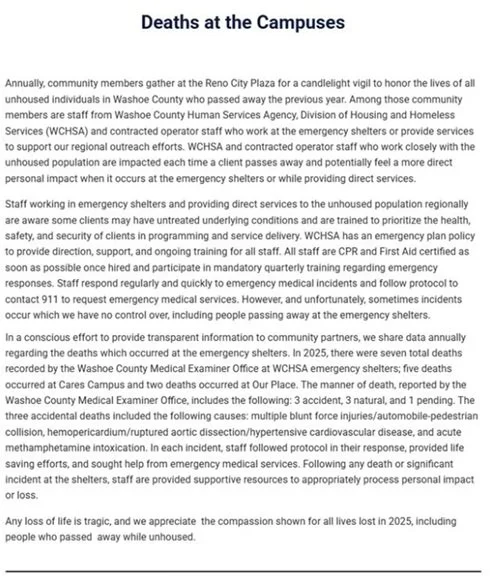
Commissioner Mike Clark posted this Washoe County Government update.