
After the Primary, Can Devon Reese Rebuild His Political Brand?
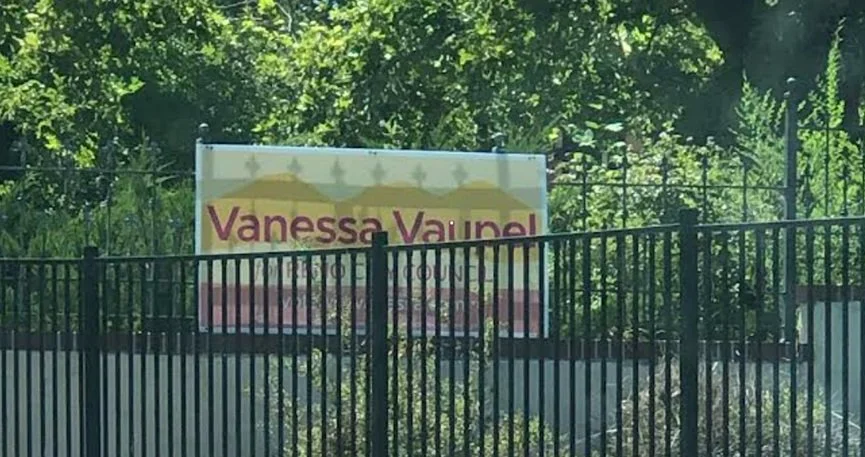
One of the biggest stories to come out of the June primary may not have been Devon Reese's fourth-place finish for mayor—it may have been the defeat of his preferred Ward 2 candidate, Vanessa Vaupel. Had she won, Reese would likely have had that fourth vote on the Reno City Council. Instead, the primary left him with diminished political influence. Reese can generally count on support from colleagues like Brandy Anderson and Miguel Martinez, but three votes don't pass measures before the seven-member council. The primary may have transformed Reese from a political power broker into an ordinary councilmember who now has to persuade colleagues rather than rely on a dependable voting bloc.
Politics can be unforgiving.
Just ask Reno City Councilmember Devon Reese.
For months, Reese campaigned as though he was the inevitable next mayor of Reno. He enjoyed endorsements from prominent community leaders, support from Mayor Hillary Schieve, labor organizations, and influential figures in business and education. His campaign also raised significant sums of money, including donations from outside Nevada and from interests connected to major development projects.
Yet when the votes were counted in June, the outcome was decisive.
Reese finished fourth with 4,688 votes—well behind Kate Marshall, Kathleen Taylor, and even Eddie Lorton.
For a campaign that invested heavily in advertising, consultants, television, digital outreach, and social media, the return at the ballot box was strikingly limited.
According to campaign finance reports highlighted by Our Town Reno, Reese's campaign continued spending heavily on political consulting and media buys while receiving contributions from numerous donors with out-of-state addresses, including several connected to California businesses and companies affiliated with Alex Meruelo, whose Grand Sierra Resort expansion received approval from the Reno City Council. Public campaign finance reports also show substantial expenditures on campaign consulting and television advertising. Those reports are public records available through Nevada campaign finance filings.
Money, however, cannot guarantee votes.
If anything, the election demonstrated that voters are capable of separating campaign spending from confidence at the ballot box. Endorsements, glossy mailers, television commercials, and relentless social media posts proved insufficient to persuade a majority of Reno voters.
The election also raises a larger political question.
Can Devon Reese recover?
History shows politicians have come back from electoral defeats before. But rebuilding public trust often requires reflection, listening to constituents, and demonstrating that public service—not political ambition—is the priority.
For Reese, the challenge may be convincing voters that he heard the message they delivered in June.
Campaign spending can purchase advertising.
It cannot purchase credibility.
The June primary wasn't simply a loss.
It was a reminder that in politics, voters always have the final word. Oh and hey Devon the ethic violations and Michael Leonard wine bar conflict did in fact hurt your campaign.