
To Brine or Not to Brine — That Is the $25 Million Question
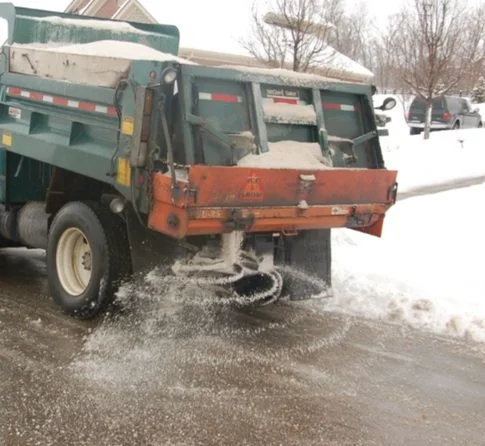
Last week, Washoe County crews seemed determined to coat every road surface in sight with slurry/brine in preparation for winter weather. Meanwhile, a number of City of Reno residents reached out with the same question: where was the brine? Because many of us didn’t see any.
To be fair, the City of Reno isn’t exactly doing nothing. The city has largely shifted away from traditional slurry-style pre-treatment and now relies primarily on brining — a saltwater solution applied ahead of storms to keep snow and ice from bonding to the pavement. Sand and salt mixes are then used as secondary measures, especially on hills, curves, intersections, and known trouble spots.
City officials have long pointed to environmental concerns, particularly protecting the Truckee River, as a reason for limiting chemical applications. Brine, when used carefully, is considered more targeted and efficient. Sand and salt are deployed when immediate traction is needed or when brine is washed away.
Still, perception matters. Many residents feel the city is slower to respond to icy conditions or simply not using enough traditional materials. And when Washoe County roads are visibly treated while city streets appear untouched, it’s fair to ask why.
Which brings us to the uncomfortable question no one seems eager to answer out loud:
Is this shift also about money?
Reno is staring down a reported $25 million budget deficit. Brine treatments aren’t cheap — between materials, equipment, labor, and cleanup, widespread application adds up quickly. Brining is often promoted as a cost-effective alternative because it uses less material and fewer repeat applications.
So is Reno’s “to brine or not to brine” decision about environmental stewardship, operational strategy, or plain old budget math?
Probably some combination of all three.
But when residents are slipping on untreated streets, transparency matters. If the city is making conscious trade-offs — whether for the river, the roads, or the balance sheet — it owes the public a clear explanation.
After all, winter driving isn’t theoretical. Neither is a $25 million shortfall.
Just asking.